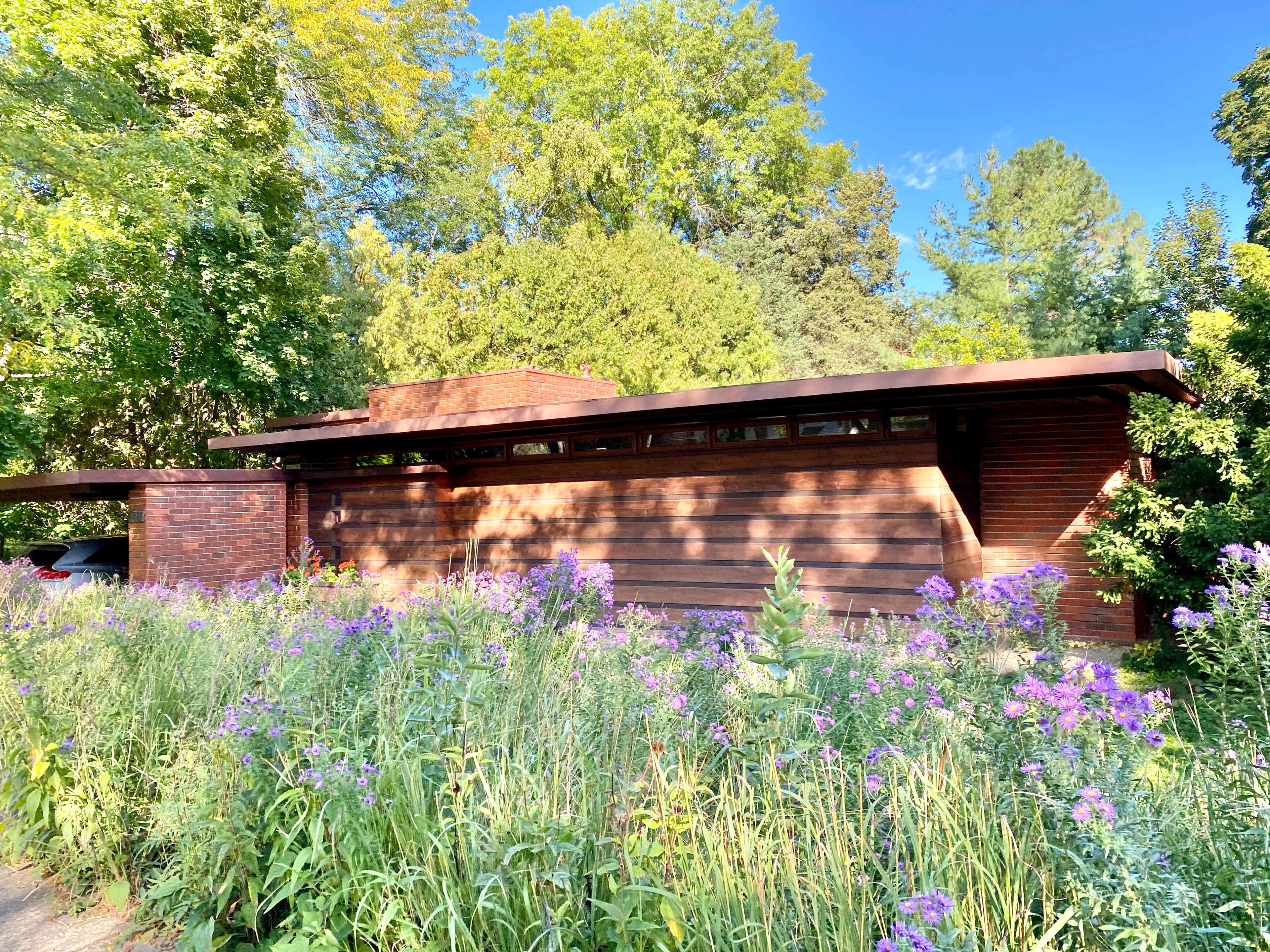
To buy a mid‑century suburban home like the 1955 Hill Valley house from Back to the Future today, you would need an annual household income of approximately $146,000. That estimate assumes an illustrative purchase price of $650,000, a 20% down payment, and a 30‑year fixed mortgage rate of 7.03%. Your total monthly housing payment would come out to roughly $4,242 once taxes and insurance enter the picture.
A quick tour of the iconic Hill Valley house
The Hill Valley home is a classic California ranch‑style, three‑bedroom, two‑bathroom property built in 1955. It sits on a modest lot with a front‑facing yard that in the film is anchored by a large oak tree and a white picket fence – the kind of backdrop that screams 1950s suburbia. Inside, the house retains many period details: original pine paneling, built‑in vinyl record cabinets, a 1950s chrome kitchen with a single‑bowl sink, and a living room that still sports the low‑profile sofa and a vintage television set. The garage, while modest, became famous for housing Marty's black Toyota Tacoma in the 1985 scenes, turning an ordinary carport into a piece of pop‑culture history.
The characters who lived there are just as recognizable as the house itself. Marty McFly grew up in this home; it’s where he hung his skateboard, listened to his dad’s vinyl records, and Buff tried to get away with only one cost of wax. Those details make the property more than a square‑footage number – it’s a cultural touchstone that many fans can picture instantly.
How much does the 1955 Hill Valley house cost today?
A classic three‑bedroom, two‑bathroom mid‑century home in a well‑established California suburban neighborhood costs around $650,000 in today’s housing market. This figure is a hypothetical estimate for an intact 1950s tract property; actual local prices vary widely depending on exact zip code, square footage, parcel size, and current local inventory levels.
When you look at mid‑century suburbs on screen, they represent post‑war attainable housing. In 1955, builder‑grade tract homes were widely affordable for a single median earner. Today, the reality is quite different. The land beneath established suburban trees has appreciated for decades. A modern buyer looking at a 1,600‑square‑foot period home must treat $650,000 as a working baseline, not an entry‑level starter bargain. That starting price sets the stage for every dollar of cash you must bring to the table.
How much cash do you need for the down payment and closing costs?
For a $650,000 home, a 20% down payment requires $130,000 in cash. Adding $10,435 in typical loan closing costs brings your required upfront liquid cash to $140,435 before accounting for any moving expenses or personal cash reserves. These figures reflect an illustrative down payment alongside real 2024 mortgage originations data from the CFPB HMDA dataset.
A 20% down payment removes the requirement for private mortgage insurance (PMI, an added monthly insurance policy that protects the lender if you stop making payments). If saving $130,000 feels unattainable, you can read our guide on How Much Down Payment Do You Actually Need for Your First Home? to explore options requiring as little as 3% or 5% down. Note, however, that putting down less cash increases both your borrowed principal and your monthly recurring obligation.
What is the monthly payment on a $520,000 mortgage?
Borrowing $520,000 on a 30‑year fixed mortgage at 7.03% results in a monthly principal and interest payment of $3,471. Adding roughly $650 per month for property taxes and $121 for homeowners insurance pushes the full monthly housing outlay to approximately $4,242. This monthly figure is a hypothetical estimate based on current prevailing national rates.
Your mortgage balance is the amount you borrow ($650,000 purchase price minus $130,000 down payment). At 7.03% (Freddie Mac PMMS, as of 2026‑09‑24), that $3,471 principal and interest payment stays constant for 360 payments. What will not stay constant are your non‑loan ownership costs. Local property tax assessments adjust over time, and regional hazard insurance premiums frequently climb. You can test different balances and interest rates right now using our /calculators/affordability tool to see how your own cash reserves hold up.
How much income do you need to afford the Hill Valley house?
To comfortably carry a $4,242 monthly housing payment, your household needs to earn roughly $12,120 per month, which works out to $145,440 per year. That calculation is an estimate based on the standard front‑end debt‑to‑income benchmark, which suggests capping your total monthly housing cost at 35% of gross pre‑tax income.
Mortgage underwriters evaluate two primary thresholds: the front‑end DTI ratio (how much of your monthly gross income goes strictly toward housing) and the back‑end DTI ratio (how much goes toward all monthly debts combined, including student loans, car notes, and minimum credit card payments). If you want a complete breakdown of how these rules shape your borrowing power, take a look at our explainer on How Much House Can You Actually Afford. If you carry $600 in existing monthly car payments or student debt, your required gross household income climbs to roughly $162,000 to keep your back‑end ratio under 40%.
Could a single‑earner family afford this home today?
A single earner bringing in a typical middle‑class salary cannot realistically qualify for this home alone today. An annual income of $80,000 supports a maximum monthly housing payment of roughly $2,333 under common lending rules, leaving an affordability gap of nearly $1,900 per month against the $4,242 total payment. This is an illustrative affordability comparison.
In the mid‑1950s, a standard office worker or single‑earner clerical worker could regularly secure an entry‑level suburban house on one paycheck. In today’s economy, purchasing that exact same parcel requires either two solid incomes or a significantly larger down payment to shrink the loan balance. If your budget is closer to that single‑earner reality, you might explore alternatives. You can see what's actually for sale in California in that range to get a clear sense of what an attainable purchase price looks like without pushing past your financial comfort zone.
What hidden maintenance costs come with a 1955 house?
Maintaining a 70‑year‑old home requires budgeting at least 1% to 2% of the property's total value annually for repairs, translating to $6,500 to $13,000 every year ($540 to $1,080 per month). This hypothetical maintenance projection covers inevitable mid‑century mechanical and structural failures that standard homeowners insurance policies do not cover.
Houses built in 1955 often hide original building elements that reach the end of their operational lives. You may encounter aging galvanized steel plumbing that restricts water pressure, an ungrounded two‑prong electrical setup that cannot handle modern kitchen appliances, or sewer laterals compromised by tree roots. These capital expenditures occur independently of your monthly bank draft. When planning your monthly spreadsheet, failing to allocate cash reserves for emergency plumbing or heating replacements will quickly strain an otherwise workable budget.
The math, step by step
- Purchase Price: $650,000
- Down Payment (20%): $130,000
- Loan Amount: $520,000
- Interest Rate: 7.03%
- Loan Term: 30 Years
- Monthly Principal & Interest: $3,471
- Estimated Monthly Taxes & Insurance: $771
- Total Estimated Monthly Housing Outlay: $4,242
On a $650,000 purchase price with 20% ($130,000) down, your borrowed principal is $520,000. At a 7.03% fixed rate over 30 years (360 months), your monthly principal and interest payment comes to $3,471. Adding an estimated $650 monthly for property taxes (based on an illustrative 1.2% annual rate) and $121 monthly for standard homeowners insurance yields a complete monthly housing payment of $4,242. To keep this payment at or below a conservative 35% front‑end debt‑to‑income ratio, a buyer needs an annual gross income of at least $145,440 ($12,120 per month). All property valuations, taxes, and insurance values are illustrative estimates; your actual rate, loan terms, and local tax rates will dictate your real costs.
Sources
Mortgage rate of 7.03% sourced from Freddie Mac PMMS (2026‑09‑24). Average California closing costs of $10,435 sourced from CFPB HMDA 2024 data (n=3000). Hill Valley home valuation ($650,000), property tax, and insurance figures are author estimates.