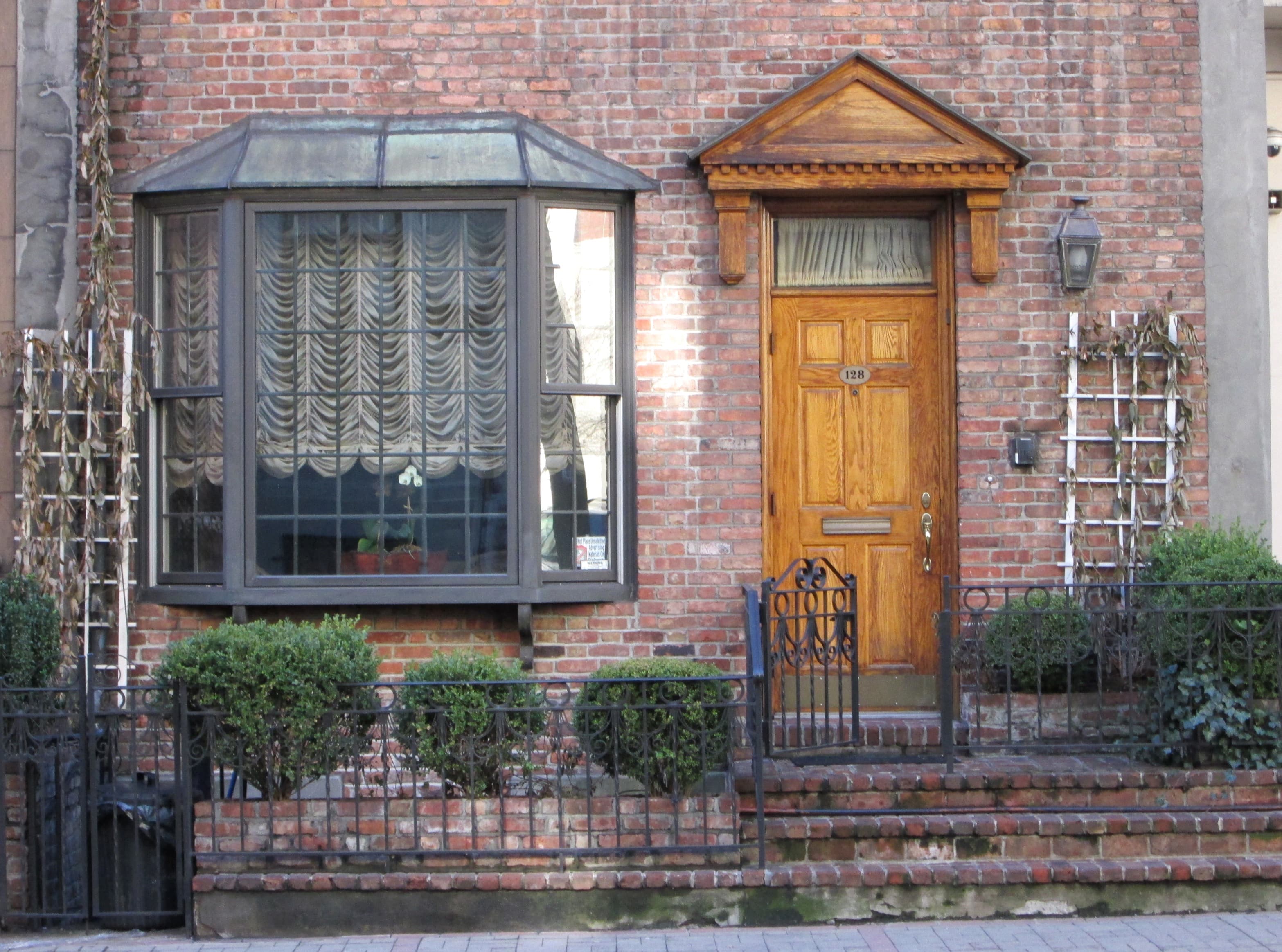
How much would Carrie Bradshaw's West Village apartment cost today?
A West Village brownstone apartment matching Carrie Bradshaw’s iconic layout would cost roughly $1,400,000 to purchase today. With current 30-year fixed mortgage rates sitting at 6.69%, buying it requires nearly $9,000 in monthly total housing costs—a far cry from her fictional $750 rent-controlled deal.
Here is how the modern Manhattan math breaks down for a classic 700-square-foot one-bedroom unit on Perry Street:
- Estimated Purchase Price: $1,400,000
- 20% Down Payment: $280,000
- Monthly Principal & Interest (at 6.69%): $7,222
- Estimated Co-op Maintenance & Taxes: $1,800/month
- Total Monthly Out-of-Pocket: $9,022
That $750 fictional rent control was the ultimate television superpower. In the real world, carrying this unit today demands over $108,000 per year in pure housing overhead.
Could a freelance newspaper columnist actually afford this apartment?
No, a single weekly newspaper column would not come close to qualifying for a $1.4 million West Village home today. Buying this apartment would require an estimated gross annual income of around $384,000, assuming zero other personal debt.
Mortgage underwriters generally prefer your total monthly housing obligation to stay below 28% to 30% of your gross income. At $9,022 per month, Carrie would need to clear roughly $32,000 every single month before taxes. Even if she sold off her entire closet of designer footwear—or organized it using a sensible hanging shoe organizer—the math simply does not compute for a print columnist writing 400 words a week.
What does Carrie's apartment teach us about real-world Manhattan home buying?
Carrie’s storyline highlights the massive divide between legacy NYC rent stabilization and the cash-heavy realities of purchasing Manhattan real estate. Buying into a historic West Village building isn't just about making the monthly payment; it's about clearing brutal co-op board financial hurdles.
Most historic West Village brownstones operate as co-ops rather than condos. That brings three distinct financial hurdles to prepare for:
- Strict Down Payment Minimums: Many co-ops demand 25% to 30% down, pushing your upfront cash requirement to $350,000 or more.
- Post-Closing Liquidity: Boards frequently require buyers to hold two full years of mortgage and maintenance payments in liquid cash after closing—meaning another $216,000 sitting idle in savings.
- Debt-to-Income Caps: Co-op boards often enforce stricter income ratios than standard mortgage guidelines, rejecting applicants who look remotely stretched.
Fantasy TV logic lets characters live in million-dollar historic brownstones on freelance vibes. Real life requires strict ratios, heavy liquidity, and an honest look at what your budget can actually sign off on.