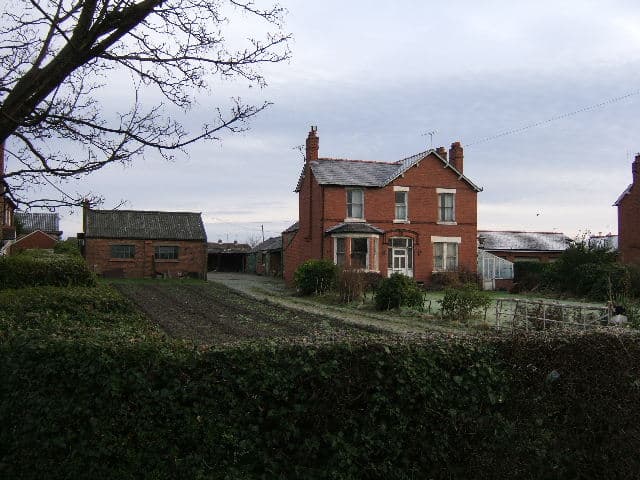
Dwight Schrute’s beet farm is the unofficial headquarters of Dunder Mifflin’s most eccentric salesman. The 20‑acre property, complete with a red barn, beet rows, and a makeshift security system, has become a pop‑culture landmark for fans of the show.
In today’s market a 30‑year fixed mortgage sits at 6.65 % nationally, according to Freddie Mac. That rate is high enough to make even modest‑priced homes feel pricey, so it’s a good litmus test for any fictional property.
Dwight works as the Assistant (to the) Regional Manager at Dunder Mifflin Scranton. While the series hints his base salary is in the mid‑five‑figure range, he also earns sales commissions and generates revenue from his beet farm. For this analysis we’ll estimate his total gross annual income at $85,000.
Could Dwight actually afford the beet farm with a 6.65% mortgage?
- Home price: $350,000
- Down payment: 20% ($70,000)
- Interest rate: 6.65%
- Loan term: 30 years
- Annual gross income: $85,000
Subtracting the $70,000 down payment from the $350,000 purchase price leaves a $280,000 loan. At a 6.65% 30‑year fixed rate, the principal‑and‑interest payment works out to about $1,800 per month. Lenders typically cap total housing costs at 28% of gross income, which for an $85,000 salary is roughly $85,000 ÷ 12 × 0.28 ≈ $1,983 per month. Because $1,800 is below $1,983, the farm could meet the standard affordability guideline, assuming taxes and insurance don’t push the total too far.
The math shows that with a higher income estimate, Dwight’s beet empire becomes financially plausible under today’s 6.65 % rate. Even if he scraped together a larger down payment, the gap would narrow further. For a sense of what is affordable in Pennsylvania, see what’s actually for sale in the state in that range: https://www.redfin.com/state/Pennsylvania/filter/max-price=250k. Readers curious about other Scranton‑based homes can check out our analysis of Jim and Pam’s starter house, which runs a similar affordability drill.
We keep our guidance free of lender incentives, so you get a straight‑up look at the numbers. If you enjoyed this deep‑dive, you might also like the piece on how much cash the “Full House” Victorian would need today.
Sources
Rate data from Freddie Mac PMMS; closing‑cost figure from CFPB HMDA. All other numbers are illustrative estimates.